
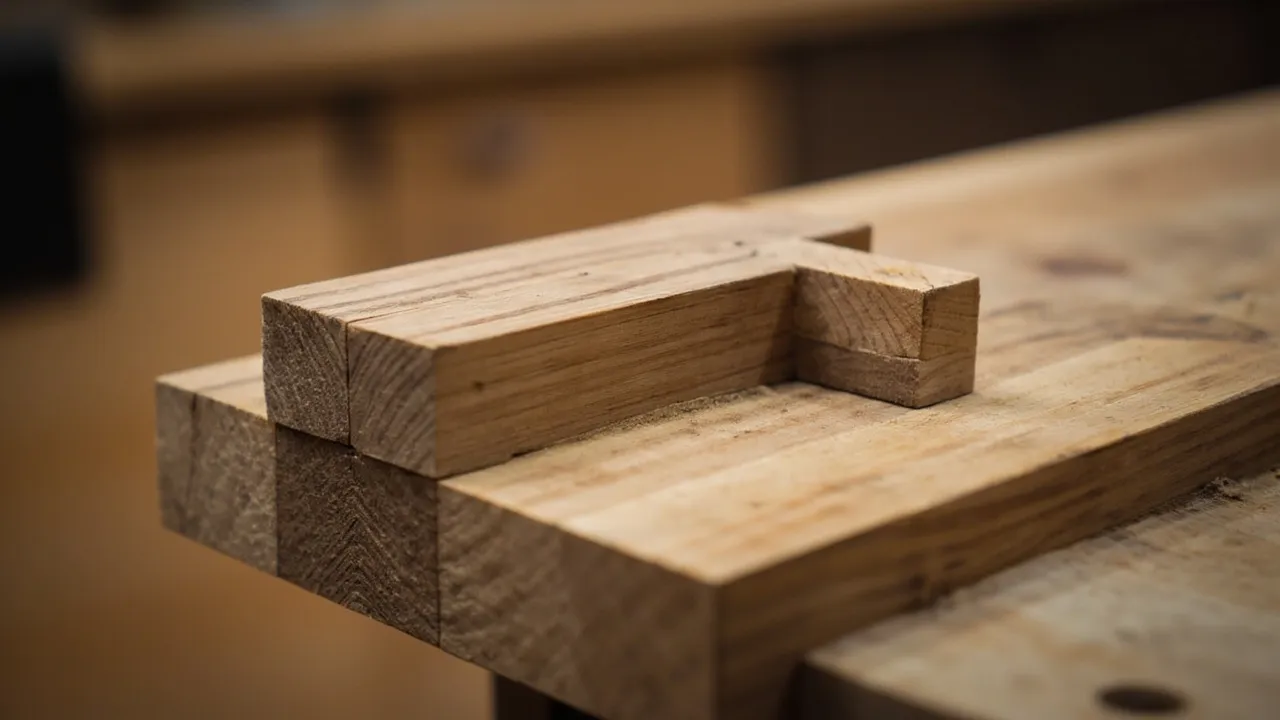
A mortise and tenon joint connects two pieces of wood by fitting a projecting tongue (the tenon) on one piece into a matching hole (the mortise) cut into the other. Glued, and sometimes pegged or wedged, it's one of the strongest and oldest woodworking joints there is. It's used wherever strength matters most: kitchen door frames, table legs and rails, chairs, beds and staircases.
At Oak & Pine by Design, traditional joints like the mortise and tenon are at the heart of how we build in our Honley workshop. Here's how the joint works, the main types, and why it's a sign of a properly made kitchen or piece of furniture.
How does a mortise and tenon joint work?
- The mortise is a rectangular slot cut into one piece of timber, such as a table leg or door stile.
- The tenon is a tongue cut on the end of the other piece, such as a rail, sized to fit the mortise snugly.
- The shoulders of the tenon butt tightly against the face of the mortised piece, keeping the joint square.
Because the tenon is enclosed on several sides, the joint resists twisting, racking and pulling apart. The large glue surface adds even more strength. That's why well-made mortise and tenon furniture can last for generations.
Types of mortise and tenon joint
| Type | What it is | Typical use |
|---|---|---|
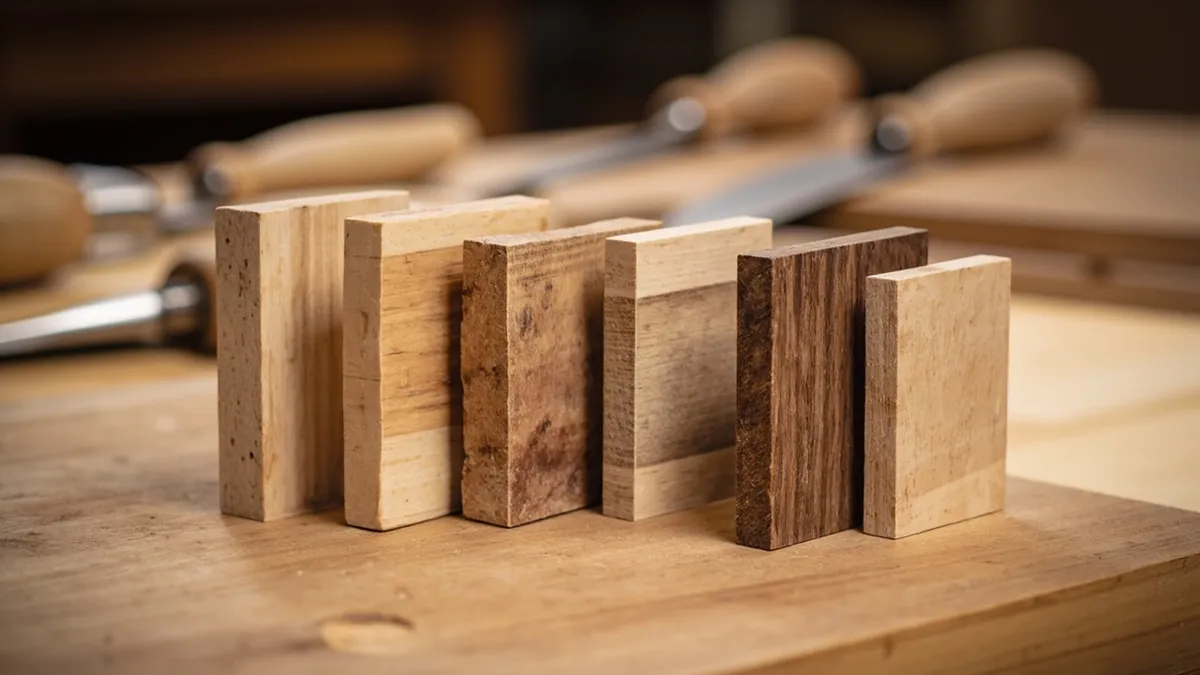
| Stub (blind) tenon | The tenon doesn't go all the way through, so it's hidden | Furniture where a clean face matters |
| Through tenon | The tenon passes right through and shows on the far side | Strong, visible joinery, such as Arts and Crafts pieces |
| Haunched tenon | A short step (haunch) fills the groove at the end of a frame | Frame-and-panel doors |
| Wedged tenon | Wedges driven into the tenon lock it in place | Chairs, tables and very strong joints |
| Pegged (drawbored) tenon | A wooden peg through the joint pulls it tight | Traditional furniture and timber framing |
| Twin or double tenon | Two tenons side by side for wider rails | Heavy doors and large frames |
Where mortise and tenon joints are used in a kitchen
- Door frames: the rails and stiles of a Shaker or panelled door are traditionally joined with mortise and tenon, often haunched
- Face frames in in-frame kitchens
- Island and table legs joined to rails
- Dressers, larders and freestanding furniture
Combined with hand-cut dovetail drawers, it's the hallmark of a kitchen built by a cabinet maker rather than assembled from flat-pack parts.
Want to see traditional joinery up close? Visit our Honley workshop and showroom.
Mortise and tenon vs dowels, biscuits and screws
| Joint | Strength | Where you'll find it |
|---|---|---|
| Mortise and tenon | Very strong, lasts generations | Handmade furniture and kitchens |
| Dowels | Moderate | Mass-produced furniture |
| Biscuits | Mainly for alignment | Panels and worktops |
| Screws and cam fittings | Can loosen over time | Flat-pack furniture |
How a mortise and tenon joint is made
- Mark out the mortise and tenon precisely with a marking gauge.
- Cut the mortise with a mortise chisel or a mortising machine.
- Cut the tenon by sawing the cheeks and shoulders.
- Fit and pare until the tenon slides in snugly: firm, not forced.
- Glue and assemble, and add pegs or wedges where extra strength is needed.
In our workshop we combine traditional hand tools with the best modern machinery, so every joint is accurate, and every piece is finished by hand.
Frequently asked questions
What is the strongest wood joint?
Mortise and tenon and dovetail joints are among the strongest traditional joints. Mortise and tenon is best for frames, legs and rails. Dovetails are best for drawers and boxes.
What is a mortise and tenon used for?
Joining pieces at right angles where strength matters, such as door frames, table legs and rails, chairs, beds and staircases.
What's the difference between a mortise and a tenon?
The mortise is the hole. The tenon is the tongue that fits into it.
Do you use mortise and tenon joints in your kitchens?
Yes. Traditional joinery, including mortise and tenon and dovetail joints, is at the heart of how we build kitchens and furniture.
Joinery that lasts, from a Yorkshire workshop
Daniel Fitzpatrick began his apprenticeship in 1995 and has been recognised by the Guild of Master Craftsmen since 2016. With his team of craftsmen, he builds handmade kitchens and furniture using techniques tried and tested by generations of woodworkers. See how we work on our process page, and explore our handmade kitchens and handmade furniture.
Visit us at Unit 3, Crossley Mills, Honley, HD9 6PL. Your first consultation is free.
Book a showroom visit or call 01484 666 333.