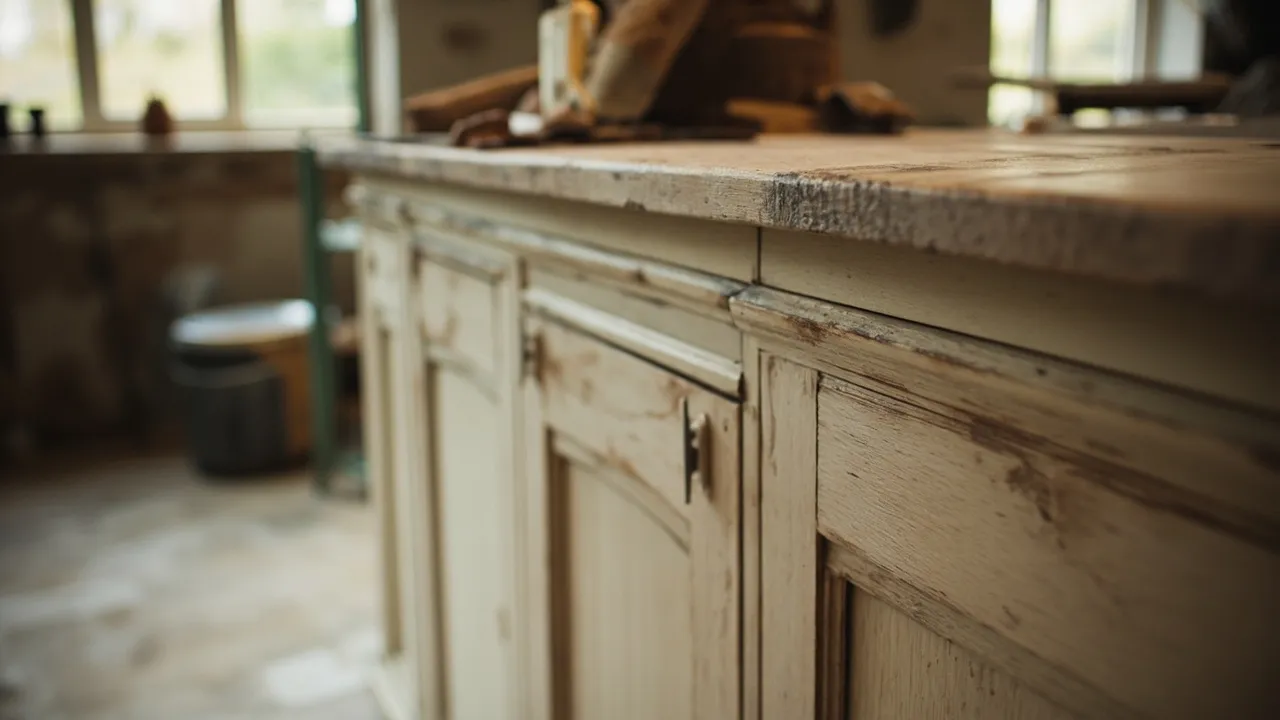
You can strip paint from wood by hand with a chemical stripper or heat gun and a scraper, or have it professionally dip-stripped, where the item is immersed in a stripping tank to lift every layer, including paint in carvings, mouldings and joints. DIY works for small, flat pieces. For doors, staircases, detailed period joinery and furniture with many layers of old paint, professional stripping is faster, more thorough and much less messy.
At Oak & Pine by Design, we offer professional paint stripping and restoration from our workshop in Honley, near Holmfirth, West Yorkshire, for doors, furniture, staircases and metalwork. Here's how the options compare.
How to strip paint from wood yourself
Chemical paint stripper
- Work in a well-ventilated area and wear gloves and eye protection.
- Apply the stripper generously and leave it for the time on the label.
- Scrape off the softened paint with a plastic or metal scraper, working with the grain.
- Use wire wool or a brush for mouldings and corners.
- Neutralise or clean the surface as the manufacturer directs, then let it dry fully.
Heat gun
A heat gun softens paint so it can be scraped away. It's effective on flat areas, but there's a real risk of scorching the wood or cracking glass, and it's slow on detailed work.
Sanding
Sanding is fine for a final finish but slow for thick paint, and it clogs paper quickly. It also removes wood and softens crisp details.
Important: paint in older homes may contain lead. Don't dry-sand or burn off old paint without taking proper precautions. Check current UK government guidance on lead paint before you start.
What is dip stripping?
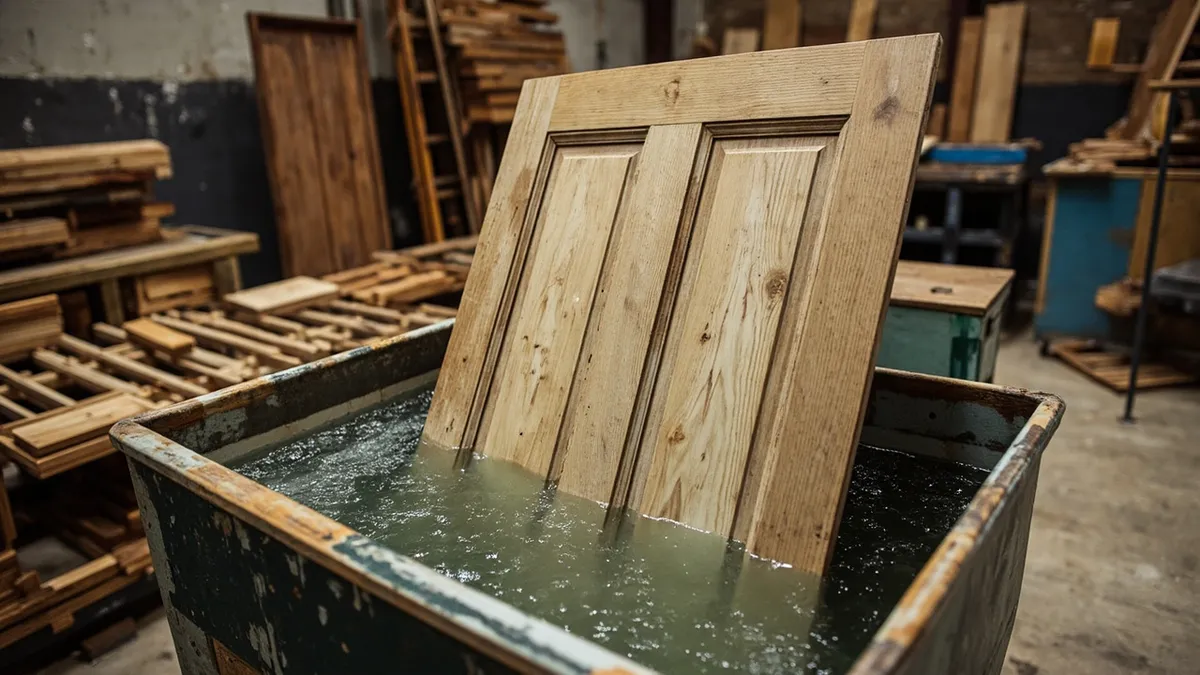
Dip stripping means immersing a door, piece of furniture or metalwork in a stripping tank. The stripper reaches every surface at once: panels, mouldings, carvings, joints and hard-to-reach corners. The item is then cleaned, dried and ready for repair and refinishing.
It's especially good for:
- Pine doors with many layers of old paint
- Staircase spindles, banisters and newel posts
- Detailed period doors, skirting and architraves
- Chairs, tables and furniture with lots of joints
- Cast iron fireplaces, radiators and bedsteads
Got doors or furniture to strip? Send us photos for advice, or call 01484 666 333.
DIY vs professional paint stripping
| DIY | Professional | |
|---|---|---|
| Best for | Small, flat pieces | Doors, staircases, detailed and multi-layer items |
| Time | Hours to days per item | Done for you |
| Detail work | Slow and fiddly | Reaches every moulding and joint |
| Mess and fumes | In your home | In our workshop |
| Risk | Scorching, gouging, lead dust | Handled by professionals |
What can be paint stripped?
From our Honley workshop, we strip and restore:
- Interior and exterior doors, including pine door dipping and stripping
- Banisters, staircases and spindles
- Wood furniture, tables and chairs
- Skirting boards and architraves
- Church pews
- Cast iron fireplaces, radiators and bedsteads
- Metal gates, garden furniture and car body parts
After stripping: restoring and refinishing
Stripping is only the first step. Once the paint is gone, pieces can be repaired, sanded and finished with wax, oil or fresh paint. Our portfolio includes Victorian and Edwardian front doors, stained-glass doors and interior oak panel doors, all stripped, repaired and refinished by hand. We’re cabinet makers and woodturners too, so ask us about repairing damaged mouldings or turning replacement spindles to match.
Frequently asked questions
What is the easiest way to strip paint from wood?
For small, flat pieces, a chemical stripper and a scraper. For doors and detailed items, professional dip stripping is far easier and more thorough.
Does dip stripping damage wood?
Done professionally, dip stripping is a well-established way to remove old paint. Pieces are cleaned and dried afterwards. Ask us about your specific item and its condition.
Can you strip paint from a staircase?
Yes. Banisters, staircases and spindles are among the items we strip. Ask us about turning replacement spindles to match.
Do you strip items for councils and public buildings?
Yes. We carry out door restoration for public sector buildings as well as homes.
Paint stripping and restoration in Yorkshire
Our paint stripping and restoration service is led by master craftsman Daniel Fitzpatrick, a member of the Guild of Master Craftsmen, from our workshop at Unit 3, Crossley Mills, Honley, HD9 6PL. See our paint stripping services and door restoration portfolio.
Get in touch or call 01484 666 333.